

A Physician of Body and Soul
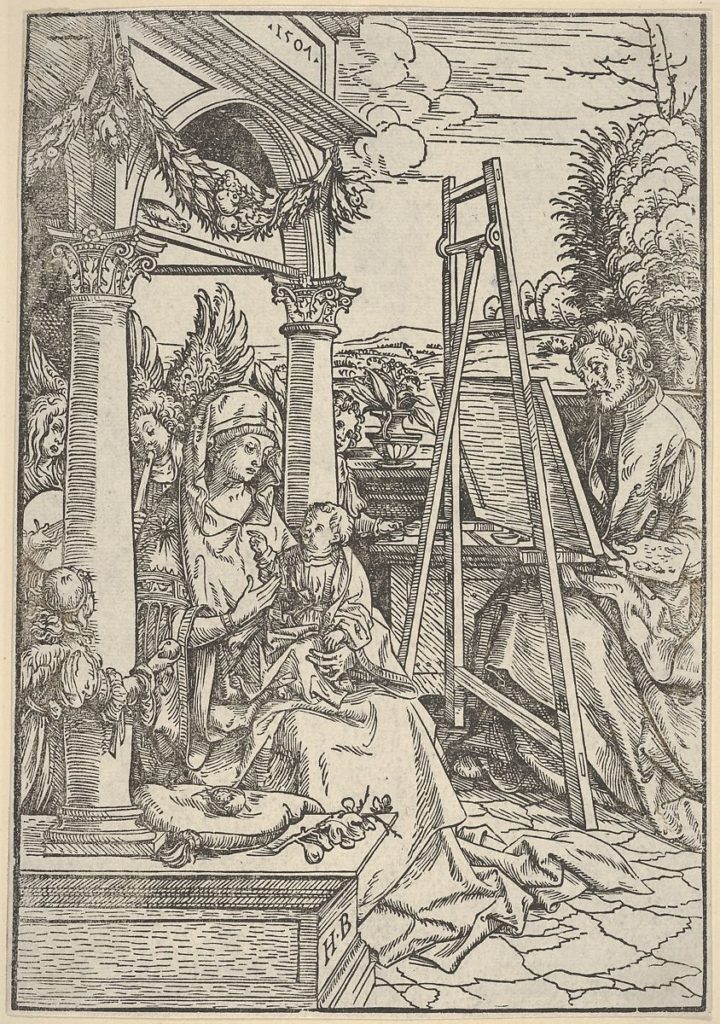
According to early Christian sources, St. Luke first appears on the biblical scene as one of the seventy apostles whom the Lord sent out two by two during his earthly ministry to heal the sick and proclaim the coming of God’s kingdom (Luke 10:1-9). While we can’t know for certain whether Luke was among the seventy—the Bible doesn’t give us a list of their names—this would mean that he was one of those who followed our Lord Jesus before his death and resurrection.
The earliest scriptural record of where the name Luke is explicitly mentioned is likely St. Paul’s Epistle to the Colossians. This isn’t surprising, as Luke is usually mentioned in the Bible in connection with Paul, for whom he was a loyal companion (2 Timothy 4:11). It is in this passage from Colossians where we learn not only Luke’s name but also his occupation: St. Paul calls him the “beloved physician” (Colossians 4:14).
One of the greatest gifts that St. Luke gave to the Church was his writing: both the Gospel of Luke and the Acts of the Apostles are both attributed to him. Indeed, more than a third of the New Testament comes from his pen!
Since he was not one of the Twelve, Luke records that the first step of his writing was extensive research, interviewing the eyewitnesses of Jesus’ ministry to gather as much information as he could (Luke 1:1-4). It is commonly believed that he even interviewed the Virgin Mary, as his Gospel is the only one that contains the Annunciation to Mary (Luke 1:26-38) and the Nativity of our Lord (Luke 2:1-20).
The Evangelist isn’t totally reliant on others’ testimony in his writings, though. Since he was a companion of St. Paul, the Acts of the Apostles often records episodes in which he was personally involved. Acts 16 is a great example of where Luke himself is a part of the story he writes, which explains why he writes with the pronoun “we.”
Much like many of the saints of New Testament days, St. Luke was called upon to make the ultimate sacrifice for his faith, reportedly dying a martyr’s death in Achaia, after which he was buried in Thebes.
And so on St. Luke’s Day we give thanks for a devoted follower of our Lord and his chosen apostles, through whose hand we received much of the scriptural witness of the New Testament Church. Moreover, in remembering St. Luke, our own faith is strengthened by the example of a man who was faithful unto death and to whom the Lord gave the crown of life.
A Brief History
While many saints’ days fall on the day of their death, the date of St. Luke’s martyrdom seems to have been lost to history. Thus, October 18th doesn’t have any particular connection to the date of St. Luke’s entrance into life eternal.
Rather, the date comes from an event about three centuries later. In 357, the Emperor Constantine requested that St. Luke’s remains be transferred from his burial place in Thebes to the new imperial capital of Constantinople together with the remains of St. Andrew. The transfer of the relics appears to have taken place on October 18th, which subsequently came to be his feast day.

Collect
Almighty God, who calledst Saint Luke the physician to be an Evangelist and physician of the soul: heal, we beseech Thee, all the diseases of our souls, by the wholesome medicine of Thy Word; through Jesus Christ, Thy Son, our Lord, who liveth and reigneth with Thee and the Holy Ghost: ever one God, world without end. Amen.
Lessons
Epistle
Gospel

Resources

Issues, Etc. interview with the Rev. Will Weedon on St. Luke
Propers found in Daily Divine Service Book: A Lutheran Daily Missal, edited by the Rev. Heath Curtis
References:
1. Urlin, Ethel L. Festivals, Holy Days, and Saints’ Days. Simpkin, Marshall, Hamilton, Kent & Co., Ltd. 1915.
2. Parsch, Pius. The Church’s Year of Grace. The Liturgical Press. 1959.
3. Treasury of Daily Prayer. Concordia Publishing House. 2008.
Images:
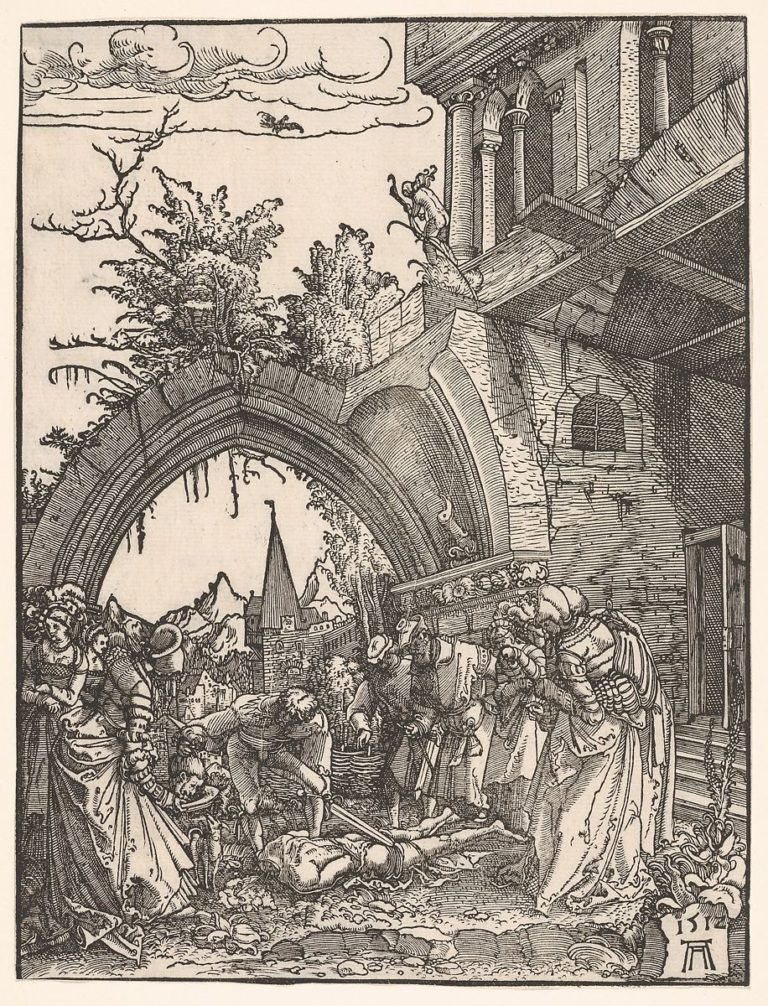
1. Saint Luke Painting the Virgin, Hans Burgkmair, Germany, 1507.
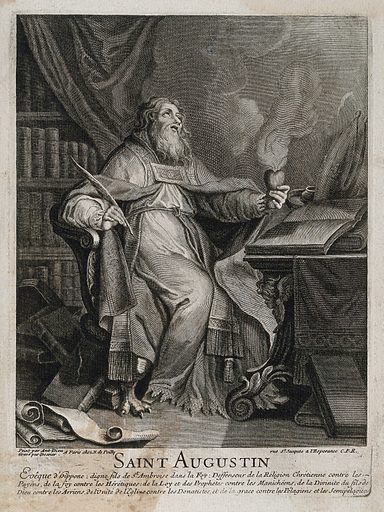
2. St. Luke the Apostle and Evangelist, Unknown, ca. 1650-1700, Russia.
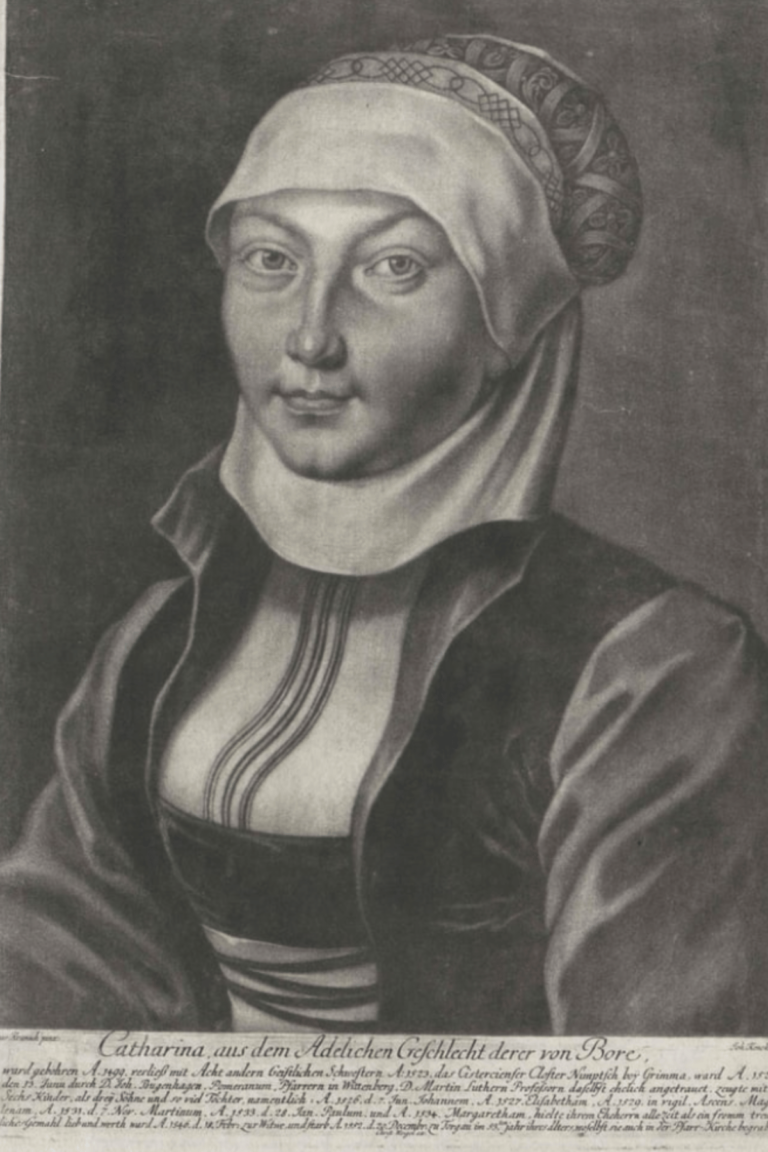
3. The Ox of Saint Luke, Martin Schongauer, Germany, 1490.


One Comment