

The Saint Served on a Silver Platter
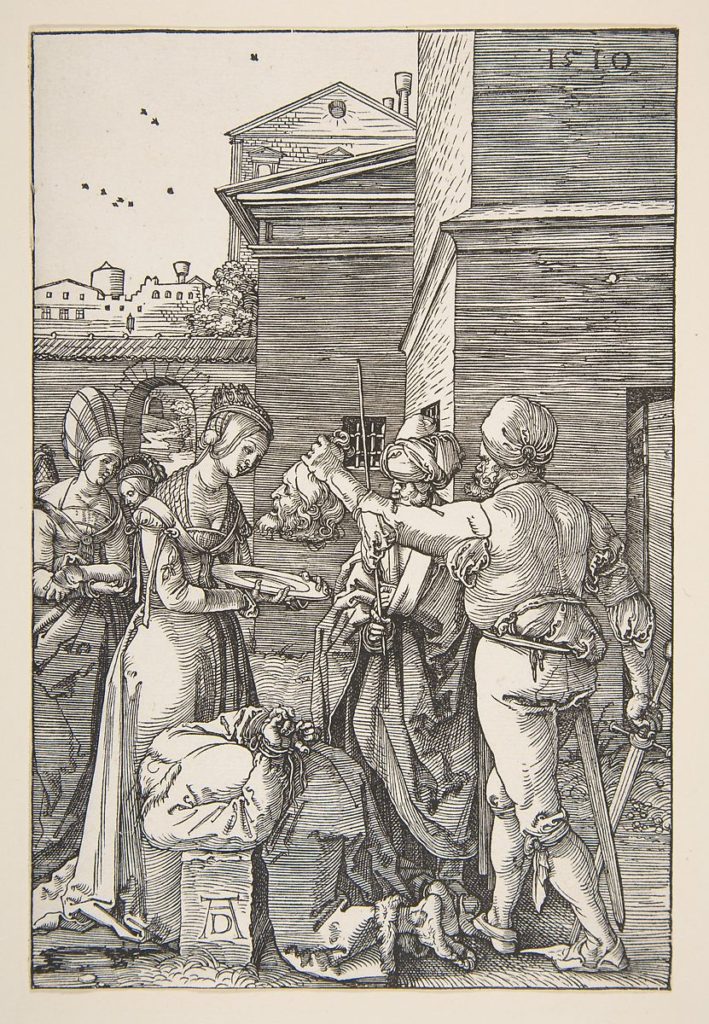
The Martyrdom of St. John the Baptist is one of the stranger accounts in scripture. Recorded in the three synoptic Gospels (Matthew 14:6-12, Mark 6:17-29, and Luke 9:9), we know technically why and how St. John died, and yet the story may seem nonsensical, almost random.
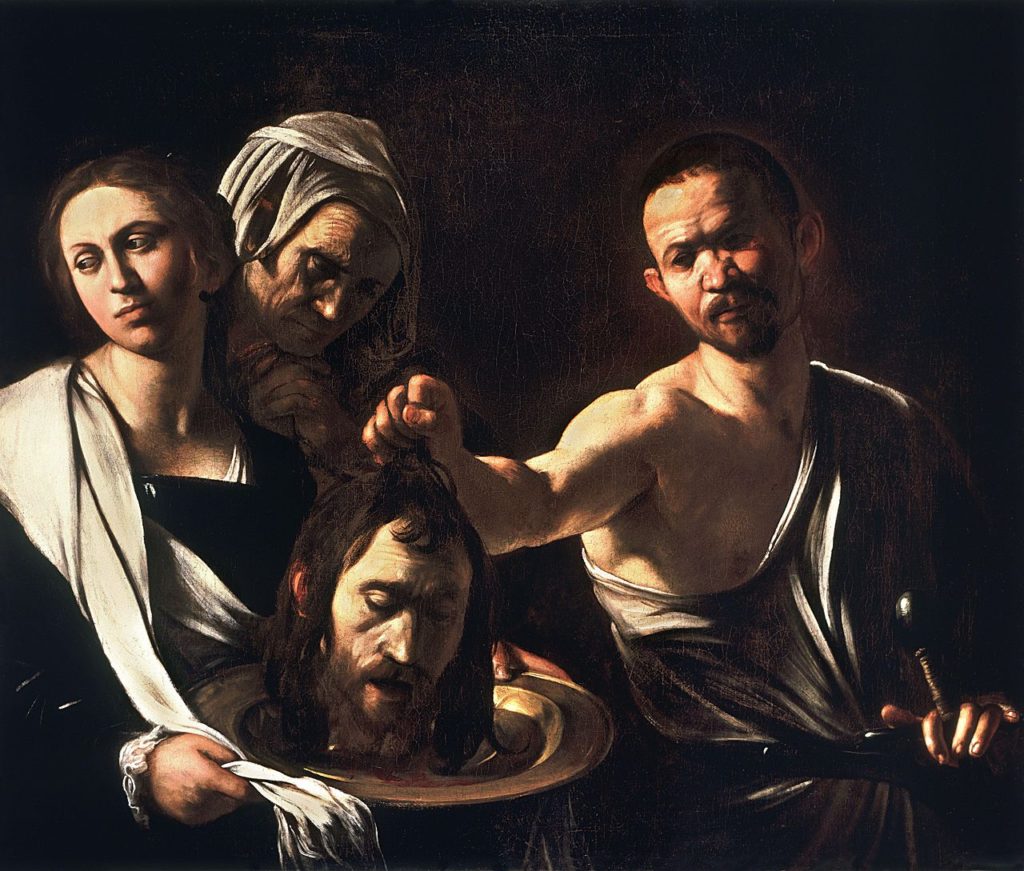
John’s death came by the sword under the order of King Herod. Herod had backed himself into a corner by promising a young dancer (the daughter of Herodias whom John condemned for unlawful relations with Herod) anything she wished even up to half of his kingdom. And though King Herod esteemed John’s preaching and had previously refused to put him to death, he feared his party guests more and granted this young girl’s wish out of concern for his honor. Consequently, John’s head was brought in on a platter and presented before Herod and his guests.
John was put to death for his faithful and fearless preaching of God’s Word. He was sent to prepare the hearts of men and point to the Christ who was to come after him. This he did throughout his life and even from the time he was in his mother’s womb!
John, whose conception preceded Jesus’, leaped in utero at their first meeting when Mary visited Elizabeth. Indeed, John was one of the very first to recognize the Christ (Luke 1)!
Later, John prepared the way by preaching a baptism of repentance and the forgiveness of sins, “…and all flesh shall see the salvation of God” (Luke 3)!
Even today in our liturgy, we echo the words that John cried out when he encountered our Lord Jesus by the Jordan River: “Behold, the Lamb of God, who takes away the sin of the world” (John 1)!
This John, the forerunner of Jesus Christ, prepared the way for the Lord. And so each year we commemorate this saint who went before the Lord in his preaching of repentance, in his suffering for the Word of God, and finally in his martyrdom.

A Brief History
Christians have celebrated St. John’s birth and martyrdom since the beginning of the New Testament era. It is thought that St. John’s birth was one of the very first feasts on the sanctoral cycle, with the remembrance of his death following shortly after. Furthermore, St. John is the only one beside our Lord Jesus and the Mother of God whose nativity and death are both celebrated in the Church year!
This is hardly surprising, as St. John holds an important place in the Church. After all, didn’t Jesus say that among those born of women, there is none greater than John (Matthew 11:11)?
So how have Christians of all ages celebrated St. John the Baptist? First, we remember his words, always pointing to Jesus. We remember that John, though great, is the forerunner to the one who is greater, Christ the Lord. His preaching of repentance prepared the way for Jesus and still today points us to Christ our Savior.
Historically, some have honored John’s death by staying away from cutlery and not eating off of round plates (like the platter on which John’s head was placed).
Others have historically eaten honey cakes in honor of St. John, recalling his diet of locusts and wild honey. You may have noticed that honey plays a significant role in many of the saints’ stories! Just last week, we served up this delicious honey cake recipe for our (LINK) St. Bartholomew tradition! If you don’t make the cake for him, you might consider a honey cake for St. John – or better yet, for both!
Collect
Grant O Lord, that this solemn feast of John the Baptist, Thy blessed Forerunner and Martyr: may through Thy Word and Sacraments effectually bestow upon us Thy mercy and grace, to the attainment of everlasting salvation; for Thou livest and reignest with the Father and the Holy Ghost: ever one God, world without end. Amen.
Lessons
Second Lesson
Gospel
Resources
Often times, Christians fast on the Feast of the Martyrdom St. John the Baptist. You can read more about the tradition of fasting here and you can find our of our favorite meat-free recipe here!

Issues Etc. interview with Dr. Jeff Gibbs on the Martyrdom of St. John the Baptist.
Propers found in Daily Divine Service Book: A Lutheran Daily Missal, edited by the Rev. Heath Curtis
References:
1. Weedon, William. Celebrating the Saints. Concordia Publishing House. 2016.
2. Issues Etc. Interview with Dr. Jeff Gibbs on the Martyrdom of St. John the Baptist.
Images:
1. Albrecht Dürer, The Beheading of Saint John the Baptist, Germany, 1510.
2. Benozzo Gozzoli, The Dance of Salome, Italy, 1461-1462
3. Amerighi da Caravaggio, Salome with the Head of John the Baptist, Italy, ca. 1607–1610.


One Comment
Comments are closed.