

A New Commandment and a New Sacrament
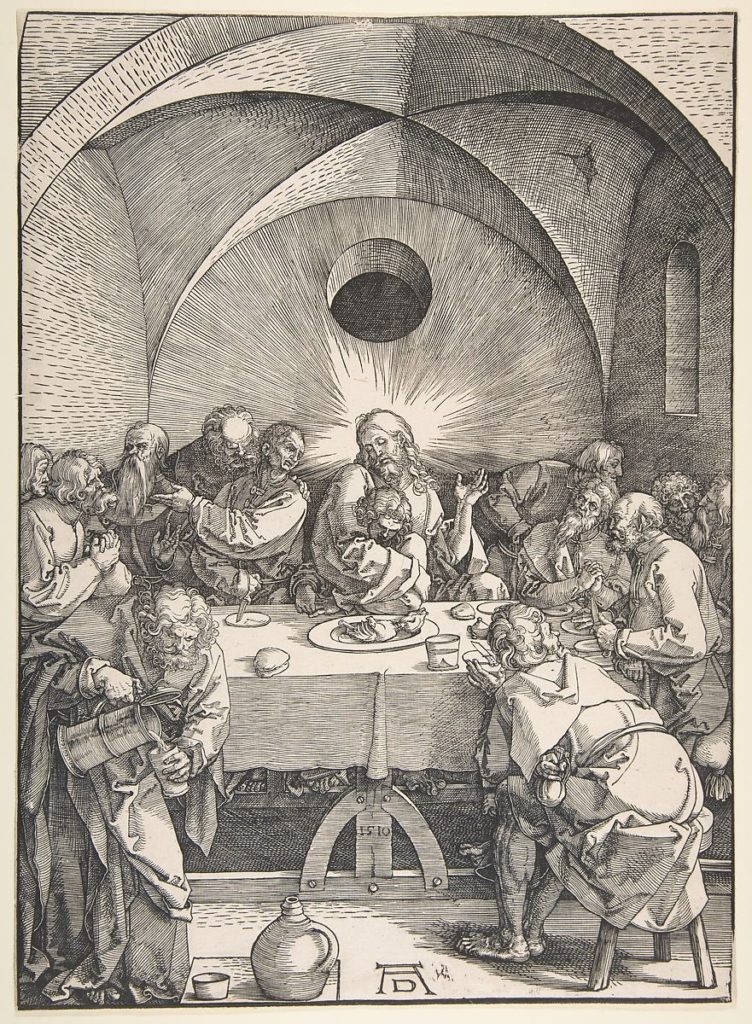
On Maundy Thursday, or Holy Thursday, Christians commemorate Jesus’ new commandment to his disciples, his Last Supper with them, and his institution of the Sacrament of the Altar.
Maundy Thursday is also the night when Jesus was betrayed by Judas in the Garden of Gethsemane.
The name Maundy Thursday comes from the Latin dies mandati, meaning the “day of the new commandment,” a reference both to Jesus’ words to his disciples after washing their feet, “A new commandment I give to you, that you love one another” (John 13:34), and to his instructions during the institution of the Lord’s Supper, “This do in remembrance of me” (1 Corinthians 11:25).
In this wonderful Sacrament that our Lord Jesus left us, he gave us one of the Church’s most sacred practices and the promise that he provides spiritual food for those who fear and love him by feeding them with himself, the life-giving bread from heaven.
A Brief History
Throughout the history of the Western Church, many important services have been held on Maundy Thursday. From the Church’s first millenium, Maundy Thursday morning has been a time when oils have been blessed for use throughout the year in baptisms, confirmations, ordinations, and anointing the sick.
In the evening, the Divine Service focused on the institution of the Sacrament. The Church celebrated this service with great joy, singing the Gloria in Excelsis for the only time between Septuagesima and Easter, ringing the bells for the last time until Easter, and adorning the altar with white paraments.
This joyful atmosphere would then shift at the end of the Divine Service, when the altar would be stripped of all adornments, calling to mind the soldiers stripping off our Lord’s clothing in preparation for Good Friday.
Historically Lutheran countries have various names for this day that differ from the English “Maundy Thursday.” For example, in Norway, the day is known as Skjærtorsdag, “Clean Thursday,” a reference to the Gospel lesson where Jesus cleaned the disciples’ feet. Other Scandinavian countries use similar names.
In German-sepaking countries Maundy Thursday is also known as Gründonnerstag, German for “Green Thursday.” Although there is some disagreement regarding where that name comes from, most scholars agree that it is associated both with the word grün, meaning “green,” and the similar-sounding word grunen or greinen, which means to “grieve,” “weep,” and “mourn.”

Collect
O Lord God, who hast left unto us in a wonderful Sacrament a memorial of Thy Passion: grant, we beseech Thee, that we may so use this Sacrament of Thy body and blood; that the fruits of Thy redemption may continually be manifest in us; Thou who livest and reignest with the Father and the Holy Ghost: ever one God, world without end. Amen.
Lessons
Old Testament
Epistle
Resources
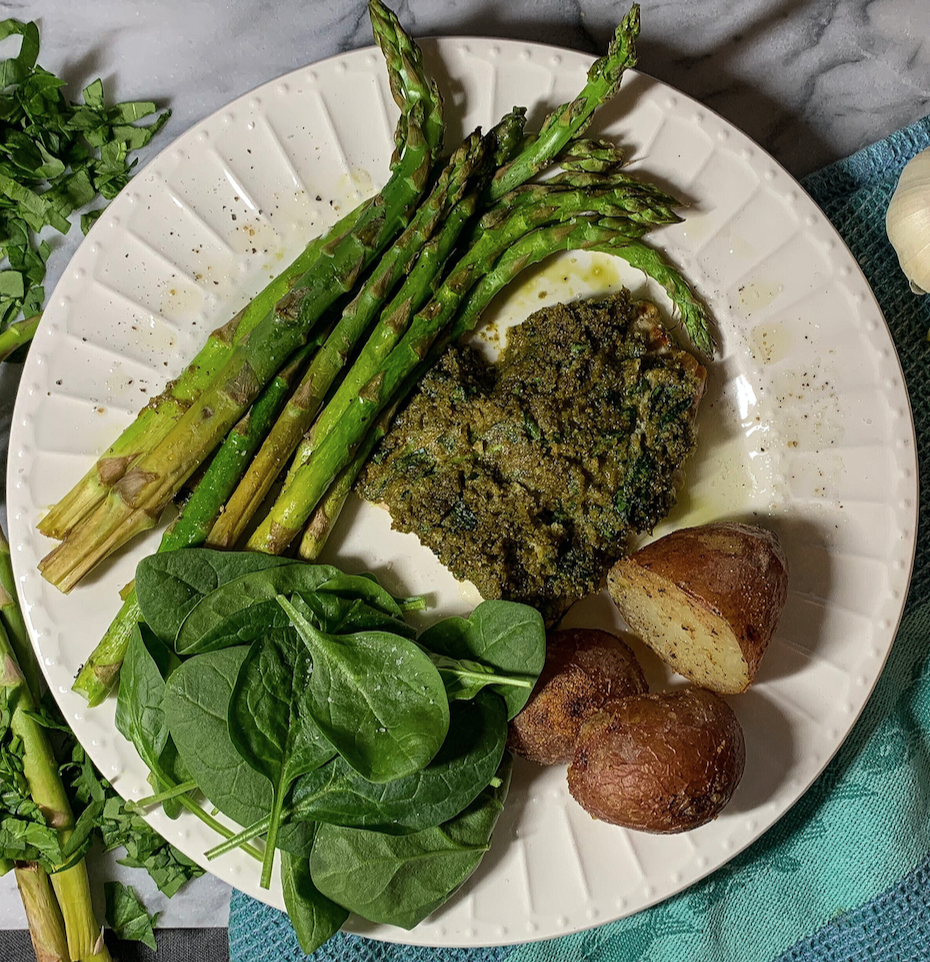
Celebrate Maundy “Green” Thursday with this easy homemade pesto over your chioce of fish or chicken.

Issues, Etc. interview with the Rev. Will Weedon on The Liturgy of Holy Thursday

Reflections on Holy (Maundy) Thursday by the Rev. Jason Braaten on Gottesdienst.org
Propers found in Daily Divine Service Book: A Lutheran Daily Missal, edited by the Rev. Heath Curtis
References:
1. Lindemann, the Rev. Fred H. The Sermon and The Propers, Volume II: Pre-Lent to Pentecost. Concordia Publishing House. 1958.
2. Parsch, Pius. The Church’s Year of Grace: Septuagesima to Holy Saturday. The Liturgical Press. 1964.
Images:
1. The Last Supper, Albrecht Dürer, Germany, 1510
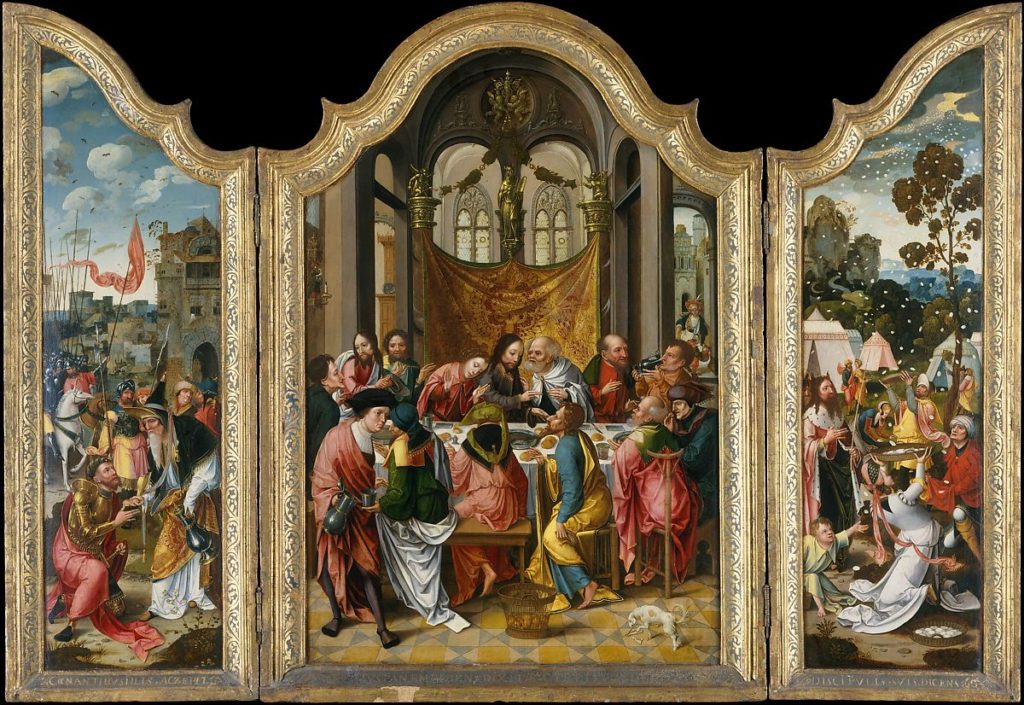
2. The Last Supper, Pedro Berruguete, Spain, 1495-1500
3. The Last Supper, Netherlandish Painters, The Netherlands, 1515-1520



3 Comments
Comments are closed.