

History
There are far too many Christmas traditions for us ever to be able to explore fully at All the Household, but one of the most recognizable customs is the making (and consuming!) of Christmas sweets. Almost every part of the world has its own Christmas classics, ranging from Argentina’s alfajores, Mexico’s polvorones and buñuelos, Puerto Rico’s besitos de coco, and Israel’s Hamantaschen to Poland’s kolaches, Russia’s tea cakes, Sweden’s pepparkakor, Austria’s linzer, and Norway’s rosettes and krumkake. But what about one of the most famous Christmas desserts that isn’t in the form of a cookie?
Christmas Pudding
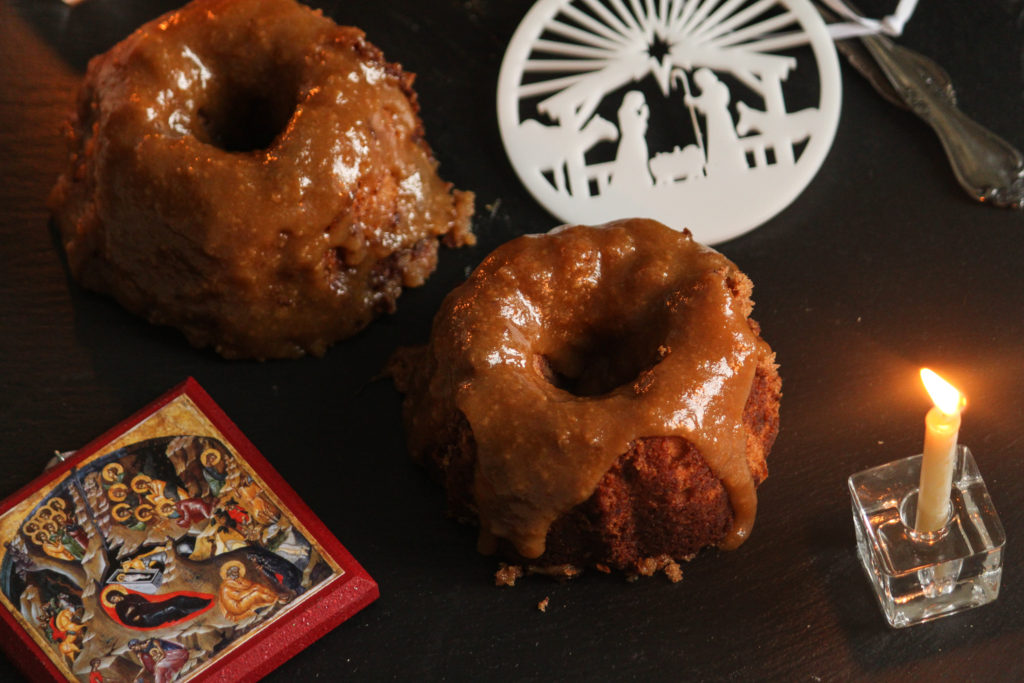
We would be remiss to leave out England’s historic tradition of Christmas pudding! Originating in fourteenth-century England, Christmas Pudding (also known as figgy or plum pudding) has long been a sweet Christmas staple in the Christian world.
First, to explain the famous name: in the 1300s, the English words “fig” and “plum” were actually just generic terms for any sort of dried fruit that was easily preserved and candied. Back then Christmas pudding was made by combining this fruit, hulled wheat, milk, cinnamon, and saffron, which, when cooked together, caused the dish to resemble a hearty meatless entree option, unsurprisingly popular during the Advent and Lenten fasting periods.
Though it was first connected with Advent, this dish later became associated with Christmas in the mid-1600s when the Puritan Oliver Crowell banned the food along with Yule logs, carols, and nativity scenes during his attempts to eliminate celebrations of the holiday. When the Puritans were removed from power in 1660, the dessert’s popularity experienced a dramatic resurgence. Over the centuries the ingredients have changed, and now it is often made with eggs, dried fruit, and liquor and thought of as a dessert dish.
The pudding traditionally contains thirteen ingredients, representing Jesus and his twelve disciples. It is stirred with a wooden spoon, symbolizing Jesus’ manger, and is stirred from east to west, symbolizing the three wise men’s journey.
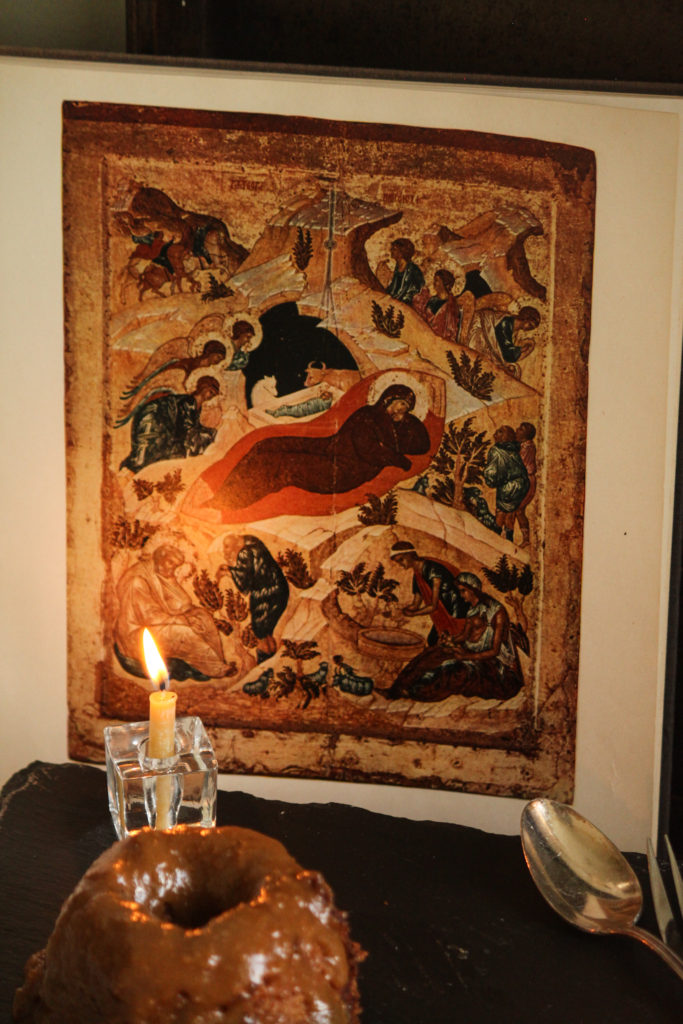
The time in which pudding is made is also symbolic, with its preparations starting on last Sunday before Advent, known in the English tradition as “Stir-Up Sunday,” a nickname that comes from the beginning of the day’s collect: “Stir up, we beseech thee, O Lord, the wills of thy faithful people.” Made five weeks before its consumption on Christmas, the dish is begun on the Last Sunday of the Church Year and then stored in an airtight container until its debut during the Nativity of our Lord. This prayer, then, became a reminder to begin “stirring up” the pudding and preparing for upcoming Advent and Christmastide periods.
This tradition is such a staple of Christmas festivities that it even has been memorialized in popular culture, with Charles Dickens’s Christmas Carol and Arthur Warrell’s carol “We Wish You a Merry Christmas” both making reference to the dessert.
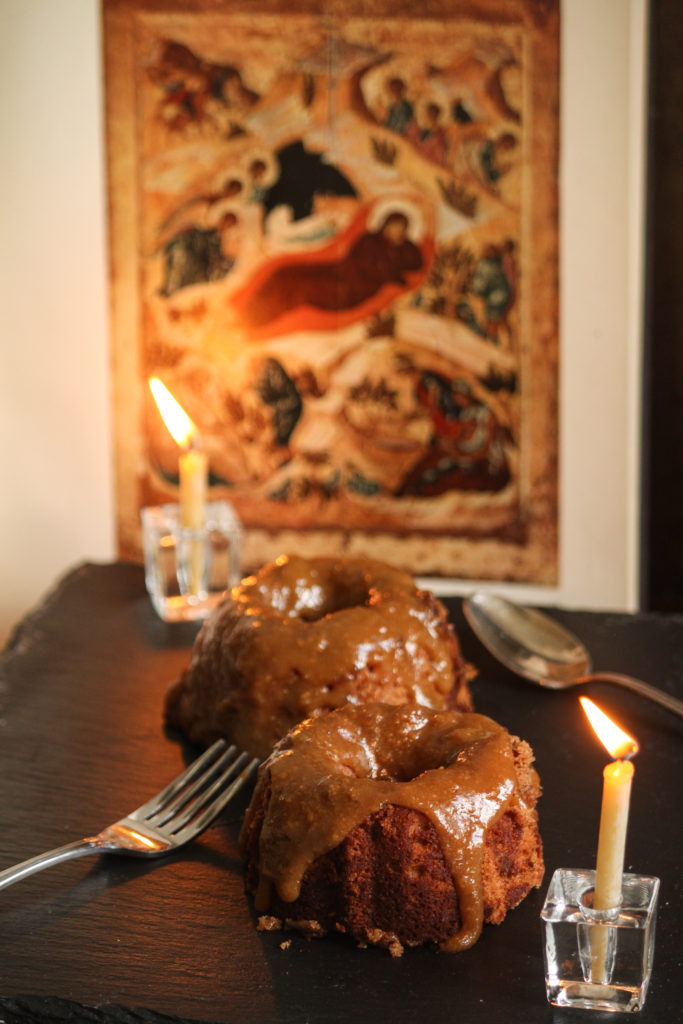
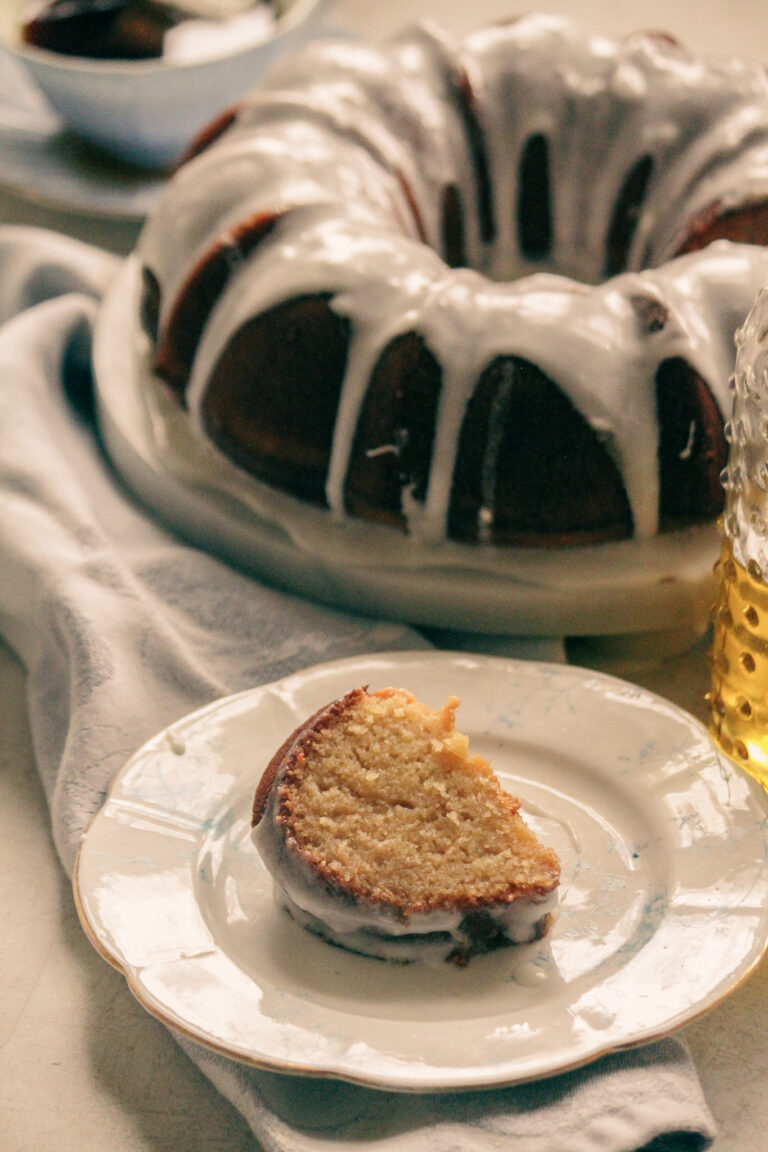
The recipe that we’ve chosen to share with you today is a variation on the much more complicated and obscure directions for the classic figgy pudding. Stickier and caramel-y in nature, we think this dessert’s ingredients and instructions are true to the original concepts (still comprising thirteen parts) but more easily attainable for the average household. This makes it a great option if you’d like to join the many saints in the centuries before us who have enjoyed making, sharing, and eating Christmas pudding with all of their loved ones!

Ingredients
Cakes
1 ½ cups chopped pitted dates (about 15 dates)
½ cup raisins
1 cup flour
1 teaspoon baking powder
¼ teaspoon baking soda
1 teaspoon salt
1 teaspoon cinnamon
1 teaspoon nutmeg
4 tablespoons butter, softened
3/4 cup brown sugar
1 egg
½ teaspoon vanilla extract
½ cup dark chocolate chips or chunks
Sauce
2 ½ cups heavy cream
1 stick butter
½ cup light corn syrup
2 cups brown sugar
splash of brandy (optional)
Instructions
- Start by making the sauce. Combine the cream with the butter, corn syrup, brown sugar, and brandy. Bring the sauce to a boil and cook over low heat, stirring often until it becomes caramelized and like a toffee, about 40 minutes. While the sauce is simmering, start making the cakes.
- Simmer the dates and raisins in water over moderately low heat until they are soft. This should take about 15 minutes. Mix the dates and raisins in a food processor and run it until a smooth puree forms.
- Preheat the oven to 350 and grease your pans. You can either use 6 ramekins, 6 muffin cups, or a bundt pan.
- In a small bowl, whisk together the dry ingredients. Beat the butter and brown sugar separately with a mixer until it becomes light and fluffy. Then beat in the egg and vanilla, followed by the date/raisin puree. Finally, beat in the dry ingredients and the dark chocolate.
- Spoon the batter evenly into your chosen molds. Bake for 40 minutes or until a toothpick comes out clean and the cakes have set up. Let cool slightly before turning out of the molds onto a wire rack.
- Spoon 1 tablespoon of the sauce into the bottom of each mold (or 4 tablespoons if using the bundt pan). Return the cakes to the molds and spoon more of the sauce on top. Place the molds back on a baking sheet and bake for another 10 minutes until the sauce is bubbly.
- Let cool for 5 minutes before turning the cakes out, inverting them. Rewarm if necessary and spoon the remaining sauce on top of and around the puddings. Serve with vanilla ice cream and whipped cream!
References:
1. Weedon, William. Celebrating the Saints. Concordia Publishing House. 2016.
2. Newland, Mary Reed. The Year and Our Children: Planning the Family Activities for the Church Year. Image Books. 1956.
One Comment
Comments are closed.